
Used Cooking Oil Collection
Home
Services
Cooking Oil Disposal
Reliable Used Cooking Oil Collection For Commercial Kitchens
Used cooking oil collection is a required service for restaurants and commercial kitchens generating fryer oil daily. Improper handling leads to odors, safety hazards, and regulatory violations. Professional collection ensures waste oil is removed safely, stored correctly, and managed responsibly. Consistent service keeps kitchens clean, reduces fire risks, and supports operational efficiency. Health departments and environmental agencies expect compliant oil handling practices. Reliable collection protects businesses from fines, liability, and disruptions while supporting sustainable recycling practices essential for modern foodservice operations across regulated commercial food preparation environments nationwide standards apply.

Scheduled Collection
Scheduled pickups remove used cooking oil consistently, preventing overflow, odors, and storage issues while supporting predictable operations and regulatory compliance.
Spill Prevention
Secure containers and professional handling reduce spills, slips, and contamination risks, protecting staff safety, kitchen cleanliness, and surrounding work areas.
Regulatory Compliance
Licensed collection ensures proper documentation, environmental compliance, and responsible recycling, helping restaurants meet health department and waste management requirements.
Restaurant Oil Pickup
Reliable Used Cooking Oil Collection For Commercial Operations
Professional used cooking oil collection includes safe storage, scheduled pickups, spill prevention, and compliant transport. DIY disposal or improper handling creates safety hazards, environmental risks, and regulatory exposure. Licensed collectors manage oil responsibly, protect kitchens from violations, and ensure collected oil enters approved recycling channels while maintaining clean, organized, inspection-ready commercial kitchen environments.
Benefits:
-
Clean containers prevent leaks, odors, pests, and unsafe storage conditions. -
Licensed transport ensures oil is removed safely and legally every time.
-
Scheduled pickups eliminate overflow risks and unpredictable waste buildup issues. -
Proper documentation supports inspections and environmental compliance requirements.

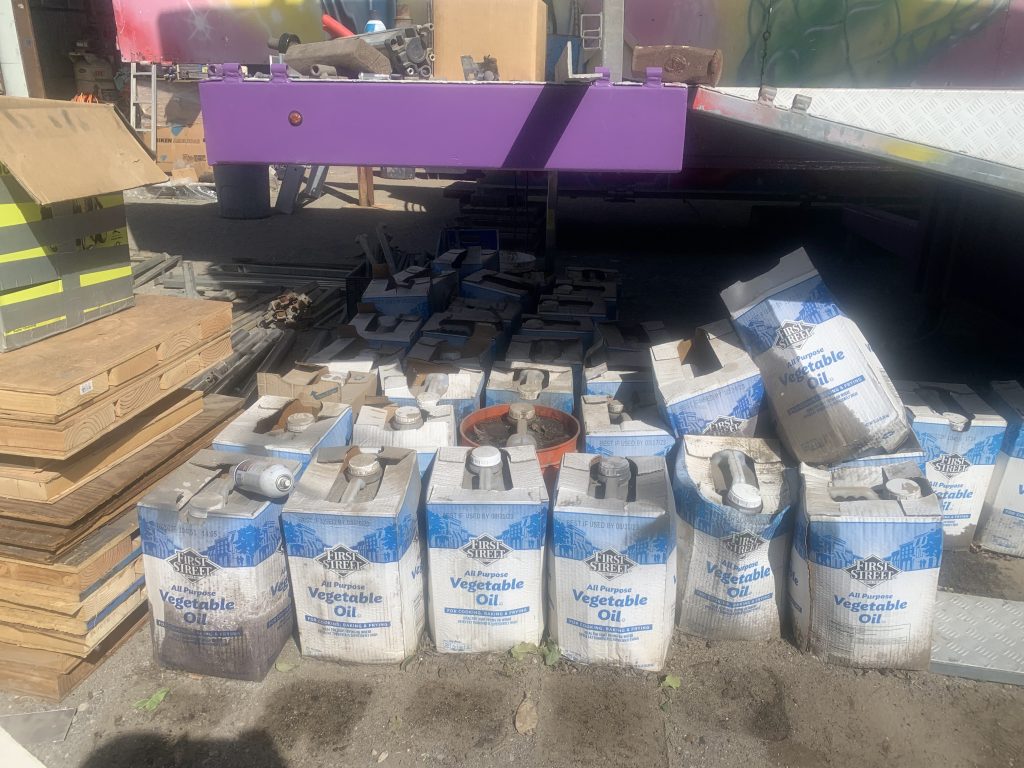
Used cooking oil collection directly impacts kitchen safety and operational efficiency. Overflowing containers increase fire hazards, attract pests, and create sanitation concerns. Professional service establishes predictable schedules, clean storage areas, and compliant waste handling. Restaurants benefit from reduced liability, fewer disruptions, and improved cleanliness standards. Consistent oil collection supports smoother inspections, safer staff environments, and responsible recycling practices aligned with modern commercial kitchen expectations and regulatory oversight.
Our Services
Grease Trap Services
Grease Trap Repair
Interceptor Cleaning
Baffle T Repair
Hydro Jetting
Drain Cleaning
Pre-Schedule Used Cooking Oil Collection
Keep Your Commercial Kitchen Clean With Reliable Oil Collection
Avoid spills, fire hazards, and compliance issues with professional used cooking oil collection. San Bernardino commercial kitchens depend on scheduled pickups, secure storage, and licensed handling to maintain cleanliness, safety, and regulatory compliance without operational disruptions.
Admin Support
Email Us Now
Service Areas
San Bernardino
Fontana
Ontario
Rancho
Victorville
Rialto
Hesperia
Chino
Have Over 1000 Gallons/Pallets of Used Cooking Oil?
We Used Cooking Oil, Waste Cooking Oil, Used Vegetable Oil, and Yellow Grease from Commercial Kitchens in the cities of San Bernardino County.
Understanding Professional Used Cooking Oil Collection
Restaurant Yellow Grease Collection Explained Simply
Used cooking oil collection refers to removing spent fryer oil from commercial kitchens for proper recycling or disposal. Unlike wastewater systems, collected oil is stored separately and handled by licensed providers. Restaurants generate large volumes of waste oil that cannot be discarded into drains or trash. Professional collection ensures oil is transported safely, recycled responsibly, and managed according to environmental regulations without disrupting kitchen operations.
Proper Storage And Handling Standards
Used cooking oil must be stored, handled, and removed according to safety and environmental standards. Improper containers, overfilled bins, and unsecured storage create fire risks, spills, and sanitation issues. Professional collection programs provide approved containers, controlled removal, and documented handling. These practices protect employees, maintain service areas, and ensure compliance.
Container Standards
Approved oil containers reduce leaks, control odors, improve safety, and keep storage areas organized for consistent commercial kitchen operations.
Collection Scheduling
Consistent pickup schedules prevent overflow, reduce fire hazards, and support predictable waste management planning for busy foodservice operations facilities.
Used cooking oil collection plays a critical role in responsible waste management strategies. When handled correctly, kitchens reduce liability, protect infrastructure, and contribute to sustainable recycling programs. Clear separation between oil waste and wastewater systems improves compliance, simplifies inspections, and supports efficient daily operations. Professional collection ensures commercial kitchens meet environmental expectations while maintaining cleanliness, safety, and operational consistency throughout demanding service schedules.
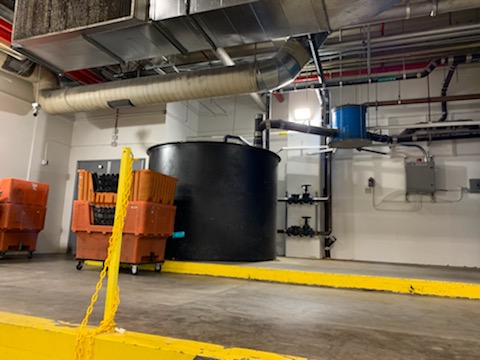
Oil Collection Process
How Professional Oil Collection Works
Step-by-step explanation of licensed commercial oil collection service
Scheduled Pickup
Technicians collect used cooking oil on a scheduled routine, ensuring predictable, compliant, safe removal while maintaining operational efficiency for all commercial kitchens.
Safe Handling
All used cooking oil is stored in approved containers, transported securely, and managed according to San Bernardino County regulations for safety.
Best Recycling
Collected oil is properly processed, fully documented for regulatory compliance, and delivered to licensed recycling facilities for environmentally responsible reuse programs.
Reliable service, consistent scheduling, clear documentation, and professional crews keep our restaurant compliant, clean, and inspection ready every month.

Carlos Ramirez
Restaurant Owner, Barstow Restaurant Owner
The Grease Company handles traps, interceptors, and oil collection flawlessly, reducing emergencies, downtime, and stress while supporting operations.

Linda Chen
Kitchen Manager, Ontario Starbucks
Professional technicians arrived on schedule, communicate clearly, and deliver compliant grease services that protected our plumbing system.

Diana Mejia
Restaurant Owner, Fontana
Reliable service, consistent scheduling, clear documentation, and professional crews keep our restaurant compliant, clean, and inspection ready every month.
Carlos Ramirez
Restaurant Owner, Barstow Restaurant Owner
The Grease Company handles traps, interceptors, and oil collection flawlessly, reducing emergencies, downtime, and stress while supporting operations.
Linda Chen
Kitchen Manager, Ontario Starbucks
Professional technicians arrived on schedule, communicate clearly, and deliver compliant grease services that protected our plumbing system.
Diana Mejia
Restaurant Owner, Fontana
All Questions Answered
Used Cooking Oil Collection FAQ’s
Answers to common questions about commercial oil collection
1. Who needs used cooking oil collection?
Restaurants, commercial kitchens, hotels, and cafeterias producing large volumes of fryer oil require licensed collection to prevent spills, odors, fire hazards, and regulatory violations. Professional service ensures proper storage, safe removal, and compliance with San Bernardino County environmental and health regulations while supporting recycling initiatives for sustainable operations.
Restaurants, commercial kitchens, hotels, and cafeterias producing large volumes of fryer oil require licensed collection to prevent spills, odors, fire hazards, and regulatory violations. Professional service ensures proper storage, safe removal, and compliance with San Bernardino County environmental and health regulations while supporting recycling initiatives for sustainable operations.
2. How often should oil be collected?
Collection frequency depends on kitchen size and oil usage. High-volume restaurants may require daily pickups, while smaller operations might need weekly service. Regular scheduled collections prevent overflow, odors, and fire hazards. Licensed providers monitor container levels, adjust schedules, and maintain documentation to ensure continuous compliance and operational efficiency for commercial kitchens.
Collection frequency depends on kitchen size and oil usage. High-volume restaurants may require daily pickups, while smaller operations might need weekly service. Regular scheduled collections prevent overflow, odors, and fire hazards. Licensed providers monitor container levels, adjust schedules, and maintain documentation to ensure continuous compliance and operational efficiency for commercial kitchens.
3. What happens to collected used oil?
Collected oil is safely transported to licensed recycling or processing facilities. It is reused for biodiesel production, industrial applications, or proper waste disposal. Documentation ensures compliance with environmental regulations. Responsible handling prevents sewer contamination, fire hazards, and fines, providing commercial kitchens with a sustainable, legal, and environmentally friendly solution for managing waste oil.
Collected oil is safely transported to licensed recycling or processing facilities. It is reused for biodiesel production, industrial applications, or proper waste disposal. Documentation ensures compliance with environmental regulations. Responsible handling prevents sewer contamination, fire hazards, and fines, providing commercial kitchens with a sustainable, legal, and environmentally friendly solution for managing waste oil.
4. What are compliance requirements for oil collection?
San Bernardino County and local health departments require commercial kitchens to store, transport, and dispose of cooking oil safely. Licensed collectors provide proper containers, maintain documentation, and follow environmental regulations. Professional collection ensures kitchens avoid fines, liability, and inspection failures while supporting environmentally responsible recycling practices, meeting both safety and regulatory standards consistently.
San Bernardino County and local health departments require commercial kitchens to store, transport, and dispose of cooking oil safely. Licensed collectors provide proper containers, maintain documentation, and follow environmental regulations. Professional collection ensures kitchens avoid fines, liability, and inspection failures while supporting environmentally responsible recycling practices, meeting both safety and regulatory standards consistently.
5. How should oil be stored before collection?
Used cooking oil must be stored in approved, leak-proof containers away from heat sources and kitchen traffic. Containers should be labeled, secured, and monitored for levels. Professional collection services inspect storage, provide proper bins, and ensure safe handling. Correct storage reduces fire hazards, spills, odors, and maintains regulatory compliance in commercial kitchens.
Used cooking oil must be stored in approved, leak-proof containers away from heat sources and kitchen traffic. Containers should be labeled, secured, and monitored for levels. Professional collection services inspect storage, provide proper bins, and ensure safe handling. Correct storage reduces fire hazards, spills, odors, and maintains regulatory compliance in commercial kitchens.
6. What is the difference between grease traps and oil collection?
Grease traps capture fats, oils, and grease from wastewater to protect plumbing, while used oil collection removes solid fryer oil for recycling. Both are essential but serve different purposes. Professional oil collection manages waste responsibly, supports compliance, and prevents hazards, whereas traps maintain sewer system integrity in commercial kitchens.
Grease traps capture fats, oils, and grease from wastewater to protect plumbing, while used oil collection removes solid fryer oil for recycling. Both are essential but serve different purposes. Professional oil collection manages waste responsibly, supports compliance, and prevents hazards, whereas traps maintain sewer system integrity in commercial kitchens.